Roswell's storm damage inspection specialists
Get your Roswell roof checked after hail
Schedule a free inspection before the next rain tests damaged shingles.
Roswell's storm damage inspection specialists
Schedule a free inspection before the next rain tests damaged shingles.
A storm damage inspection starts with the storm path, not the shingle color. Contractors look at the date, hail size reports, roof age, tree cover, and which slopes faced the wind during the event.
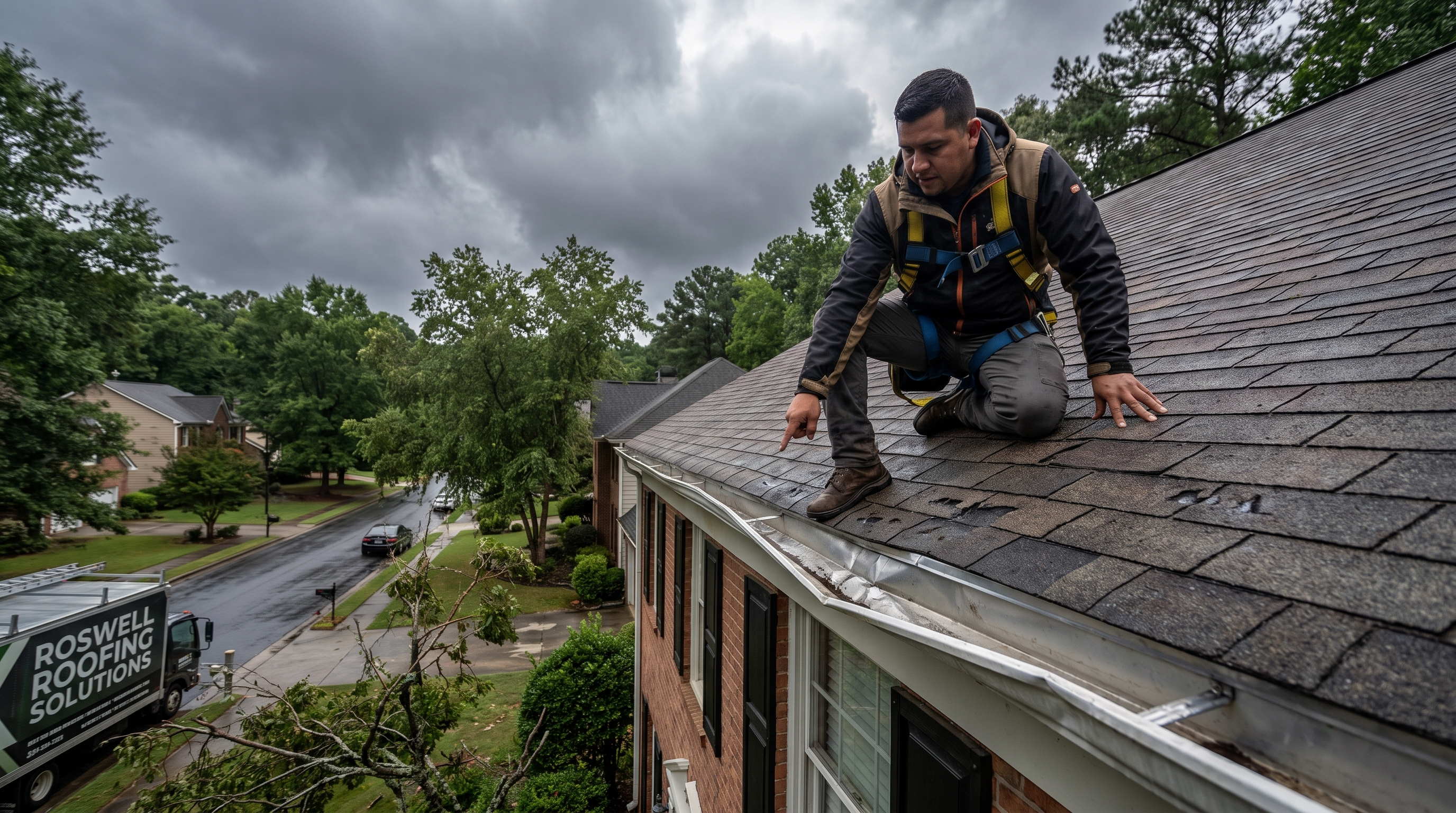
On Roswell homes, the steepest sections can hide bruised shingles from ground view. Inspectors check shingles by hand, photograph granule displacement, test soft metals for dents, and look for damage around vents, pipe boots, ridge caps, skylights, and gutters.
The inspection also separates storm damage from wear. Old blistering, nail pops, cracked sealant, and heat aging can sit beside fresh hail hits, and the claim file needs to make that difference clear.
A good inspection ends with a plain recommendation: no claim, repair, temporary protection, or replacement documentation. No guessing.
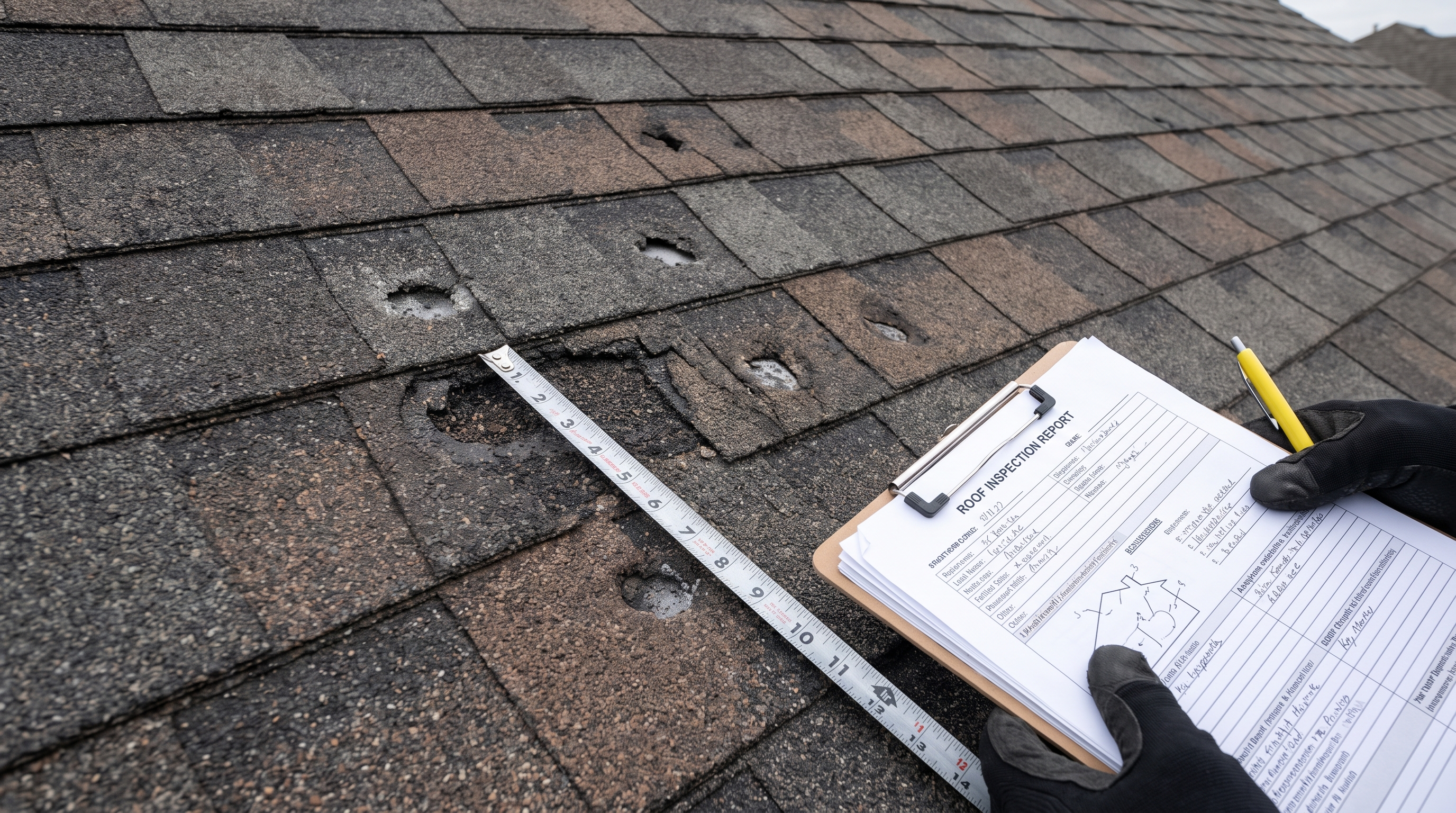
The inspection gives the homeowner a record of what the storm did and what needs attention next.
The contractor checks each roof face for bruising, missing granules, creased shingles, lifted tabs, exposed fasteners, and damaged flashing. Steep-pitch sections get extra attention because they affect labor and insurance scope.
Hail often leaves proof on gutters, downspouts, vent caps, ridge caps, window screens, and HVAC caps. Those dents help confirm storm direction and support the roof damage pattern.
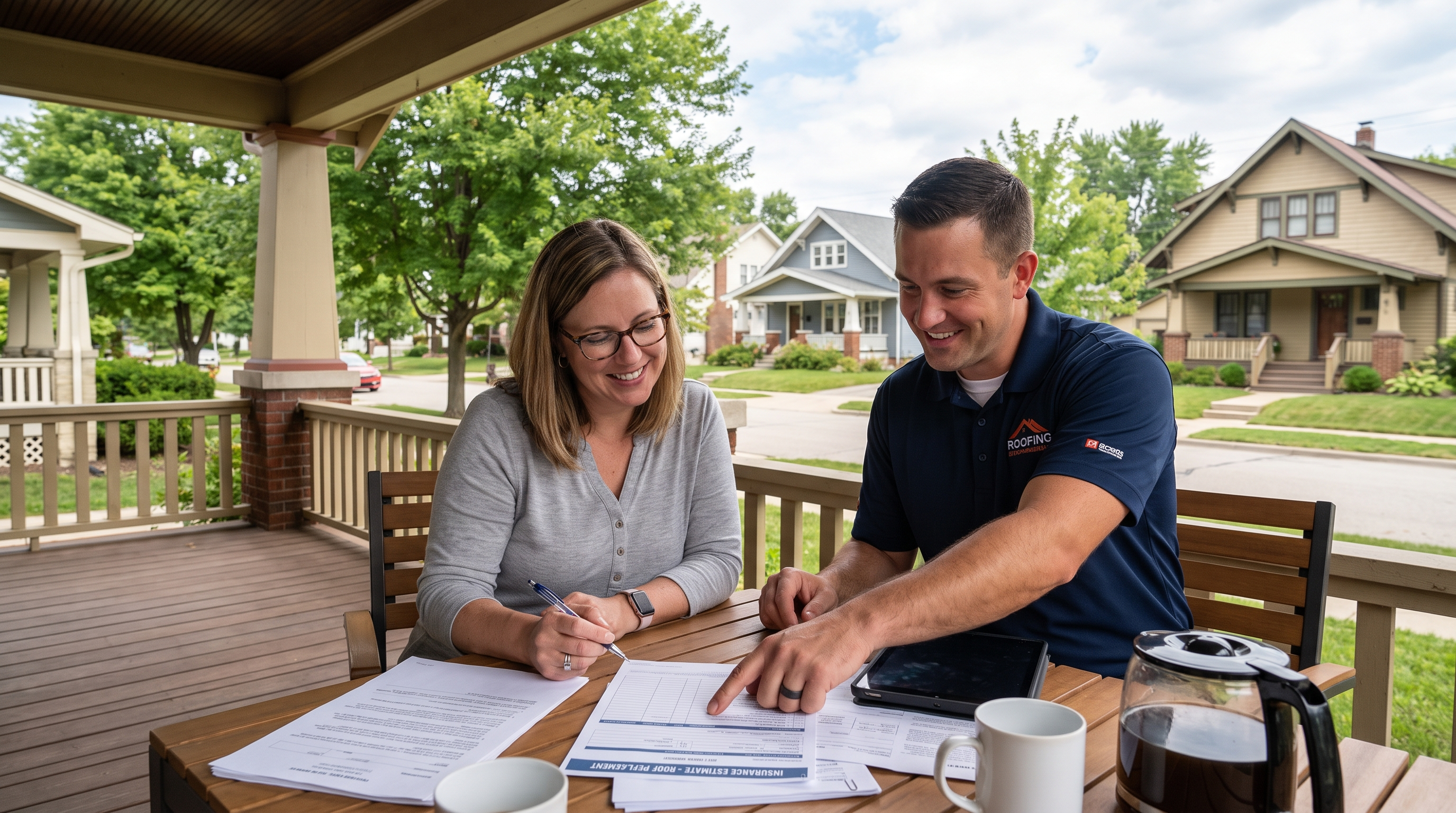
You receive a summary of visible damage and the contractor's recommendation. If the roof does not support a claim, you should know that before a carrier file is opened.
You get roof facts before you speak with the carrier. That makes the claim decision calmer and more informed.
Tall rooflines, steep driveways, and mature trees are common around Roswell. The inspection accounts for access and safety before repair or replacement is discussed.
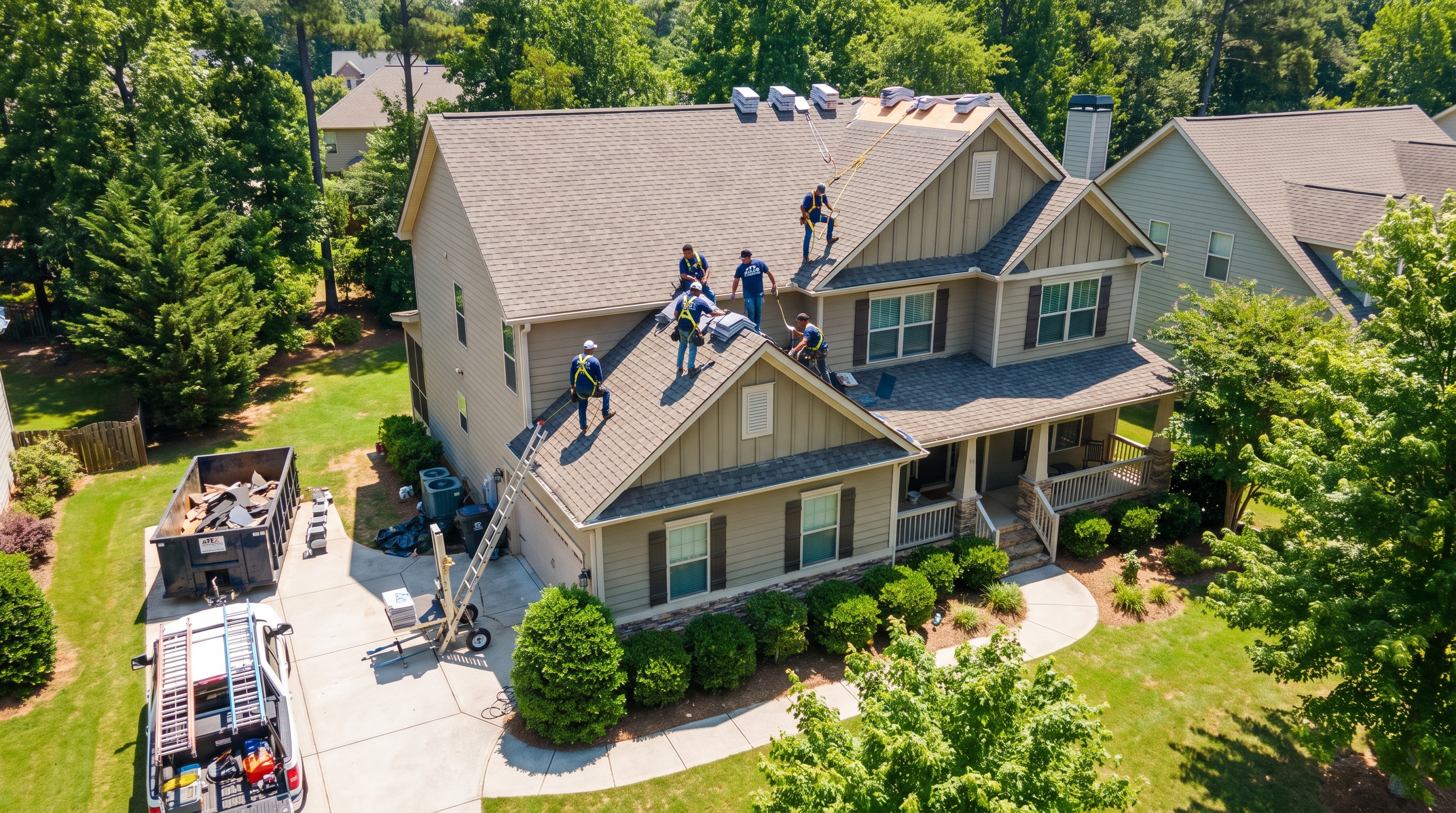
Most storm inspections can be scheduled fast after major hail.
Free — no obligations
You share the storm date, hail size if known, roof age, carrier, and any leaks or ceiling stains.
The contractor checks slopes, penetrations, gutters, vents, ridge caps, and other components that show impact damage.
Photos, slope notes, and observed damage are organized so you can review the roof condition before filing.
You receive guidance on whether the roof supports an insurance claim, a repair, emergency tarping, or no action.