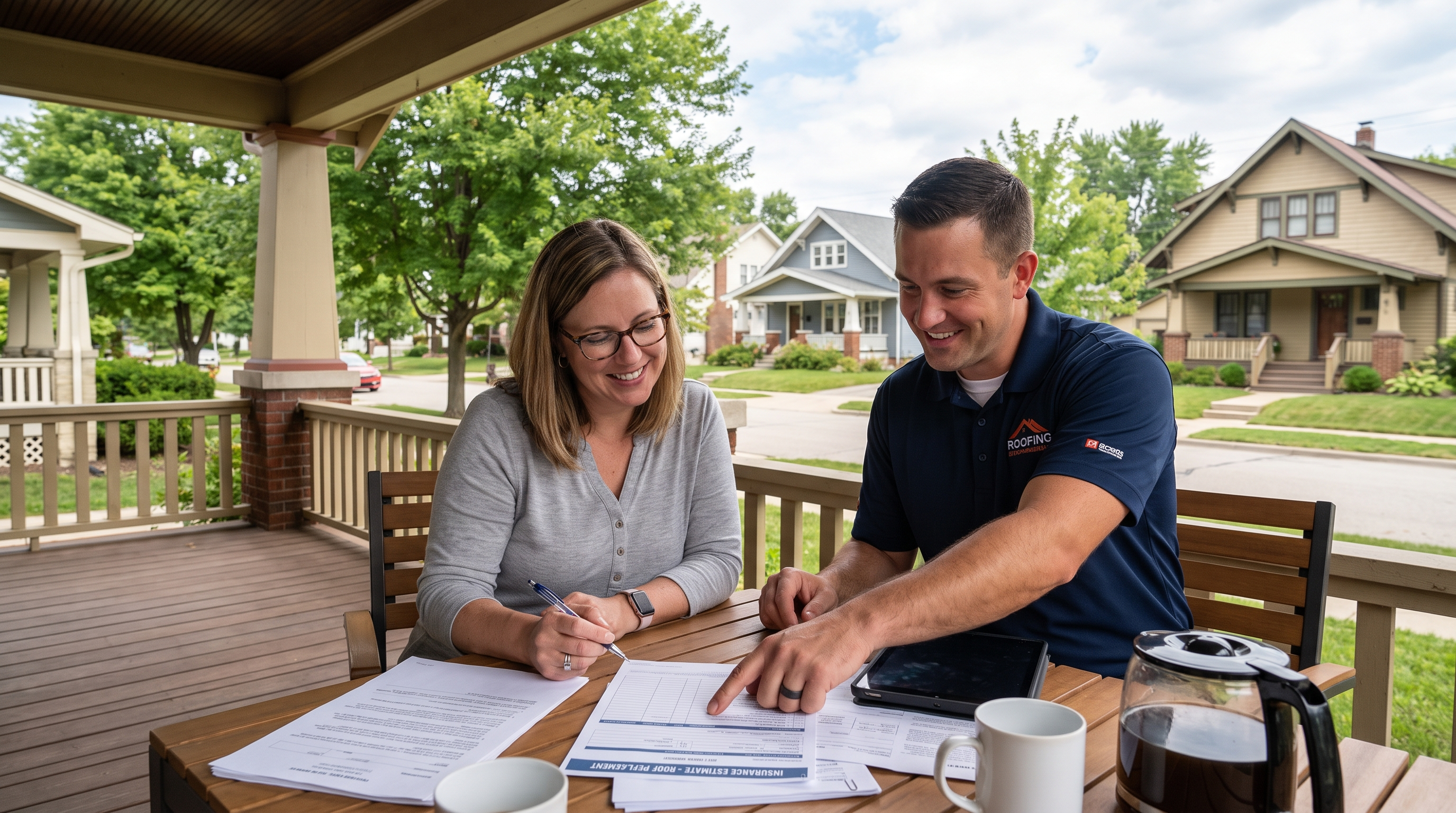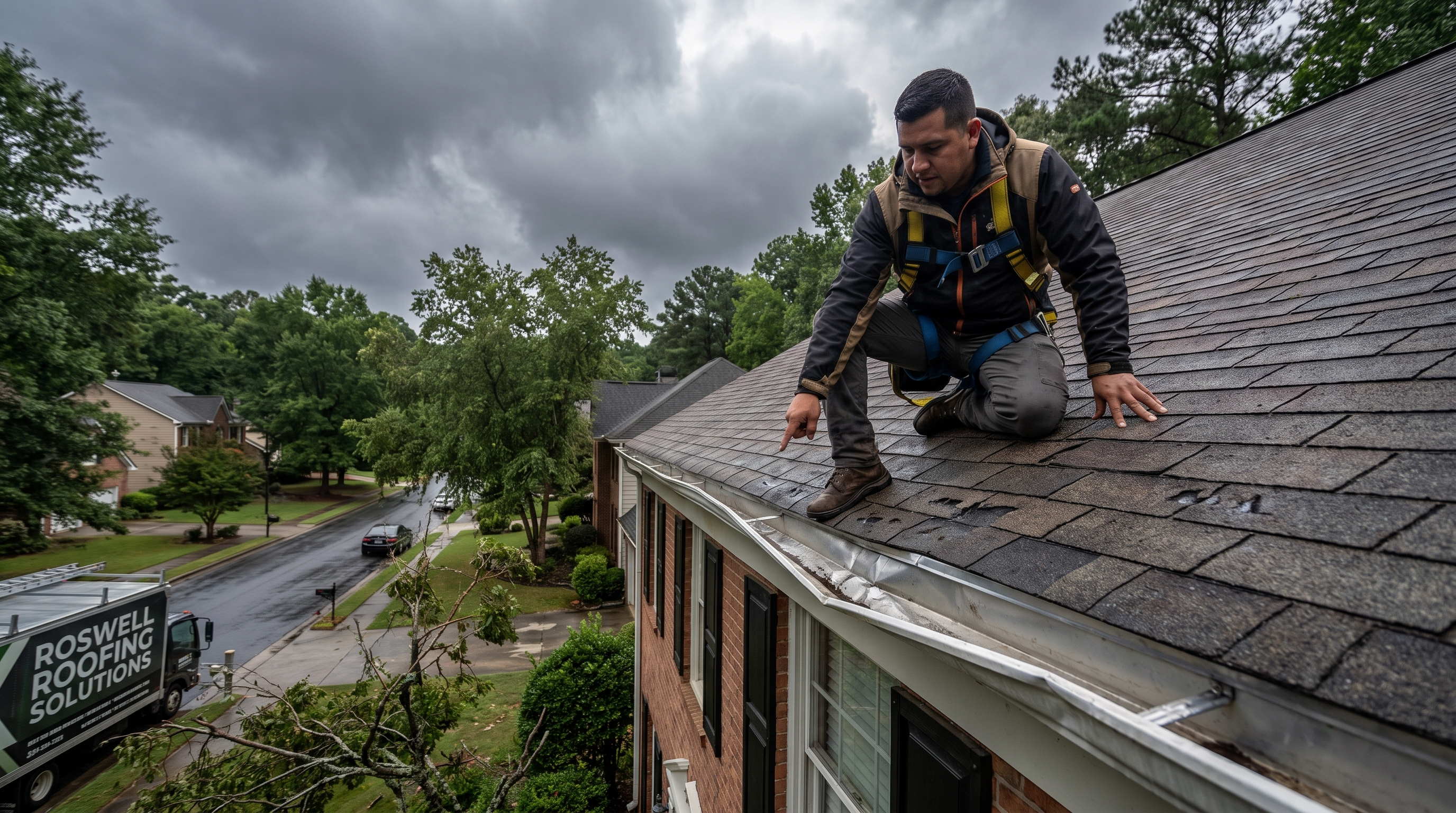
Roswell's hail damage assessment specialists
Find out if hail caused functional roof damage
Get the roof assessed before carrier deadlines and contractor waitlists become a problem.
Roswell's hail damage assessment specialists
Get the roof assessed before carrier deadlines and contractor waitlists become a problem.
A hail damage assessment looks for functional damage: bruised asphalt mats, missing granules in an impact pattern, broken shingle edges, and dents in roof metals. Cosmetic dents matter less than whether the roof system lost performance.
Roswell storms can drop hail across one side of a neighborhood while leaving the next street with lighter damage. Roof age, shingle type, tree cover, and slope direction all change the result.
The contractor should mark test squares where needed, compare windward and leeward slopes, and photograph impacts in context. A few random marks do not tell the story; a pattern across the roof does.
This assessment helps you decide whether a full replacement claim makes sense or whether a smaller repair fits the damage.
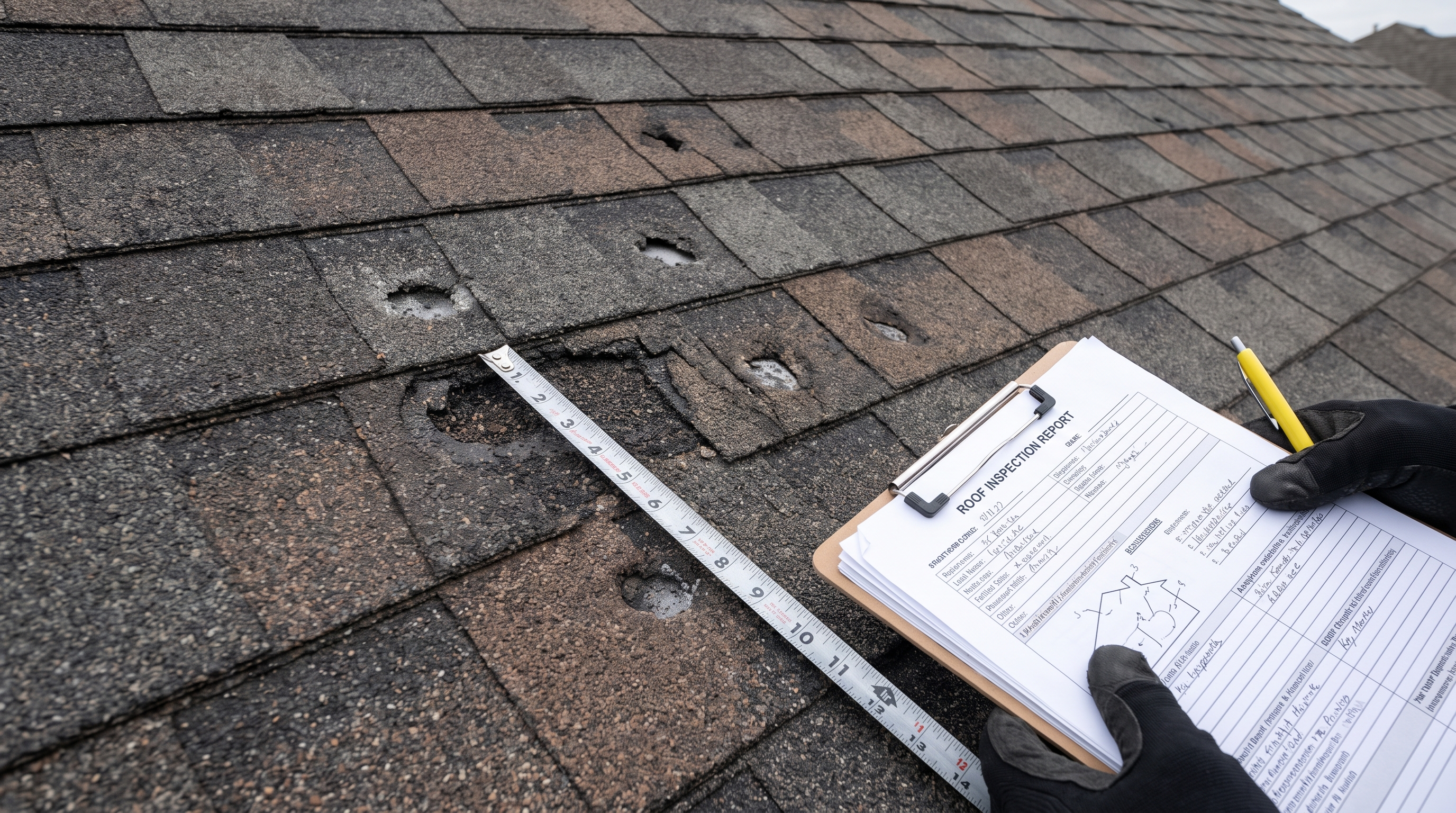
The assessment documents the difference between hail damage, wear, and cosmetic metal dents.
The contractor checks for mat bruising, granule loss, fractures, and broken edges. These signs show whether hail shortened the roof's service life.
Hail damage should match storm direction and appear across exposed slopes. Mapping the pattern helps support the storm date and damage cause.
Dented metal may support the hail path, but some policies treat cosmetic metal damage in a separate way. The assessment flags where shingle damage, not metal dents alone, drives the claim.
The contractors we connect you with know how to document bruising, granule displacement, and slope exposure in the terms adjusters expect.
If the roof shows age but not storm impact, the recommendation should say that. A weak claim can waste time and create frustration.
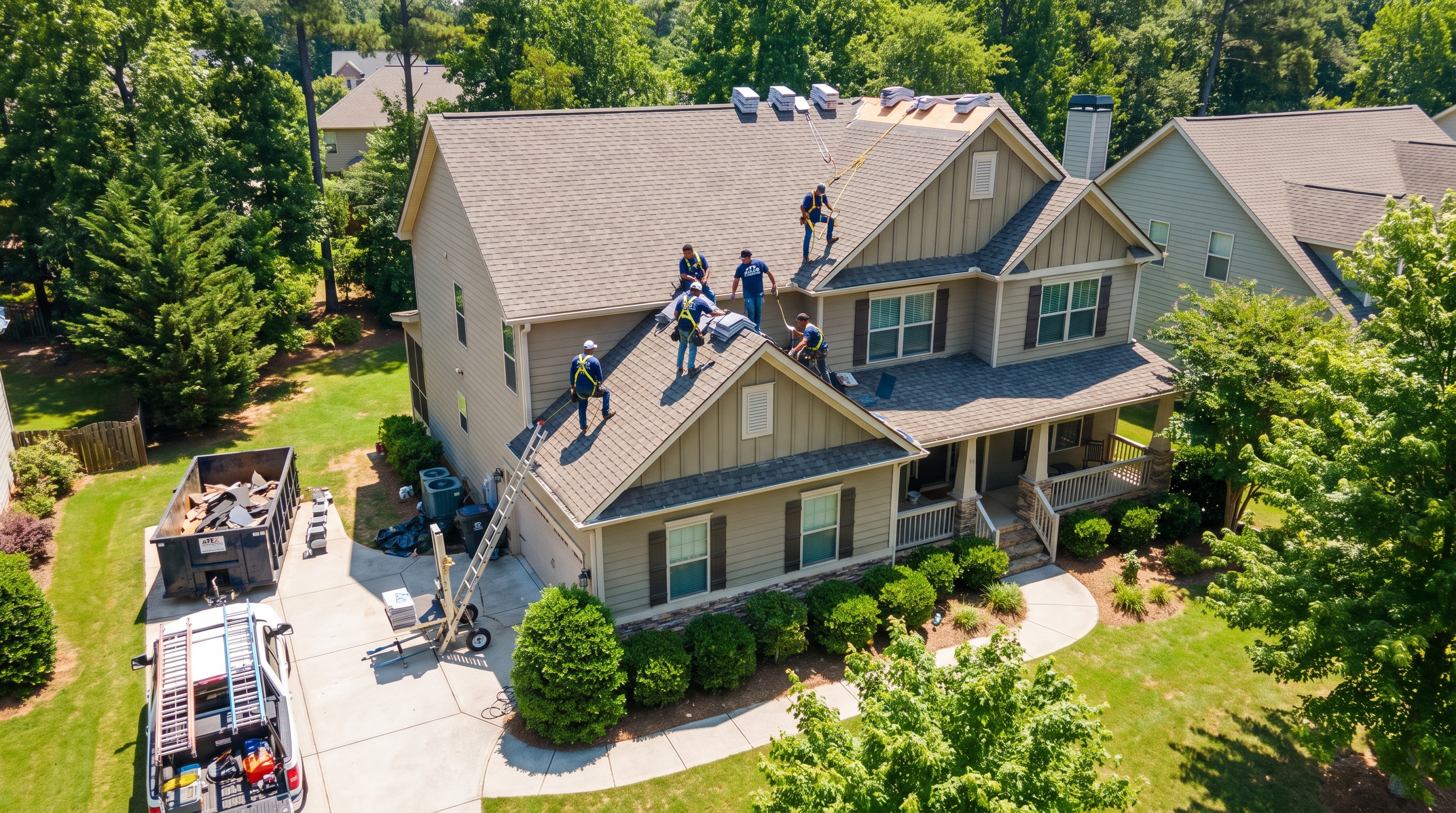
A hail assessment gives you the facts before the carrier file begins.
Free — no obligations
The contractor reviews the reported storm month, hail size, and neighborhood impact before the roof walk.
Shingles, ridges, valleys, vents, and metals are checked for impact marks and shingle damage.
Damage is compared across slopes to see whether it matches hail direction and density.
You receive a practical next step: claim documentation, repair, monitoring, or no action.