Serving Dunwoody
Emergency Tarping in Dunwoody
Call us for a free emergency tarping estimate
Serving Dunwoody
Call us for a free emergency tarping estimate
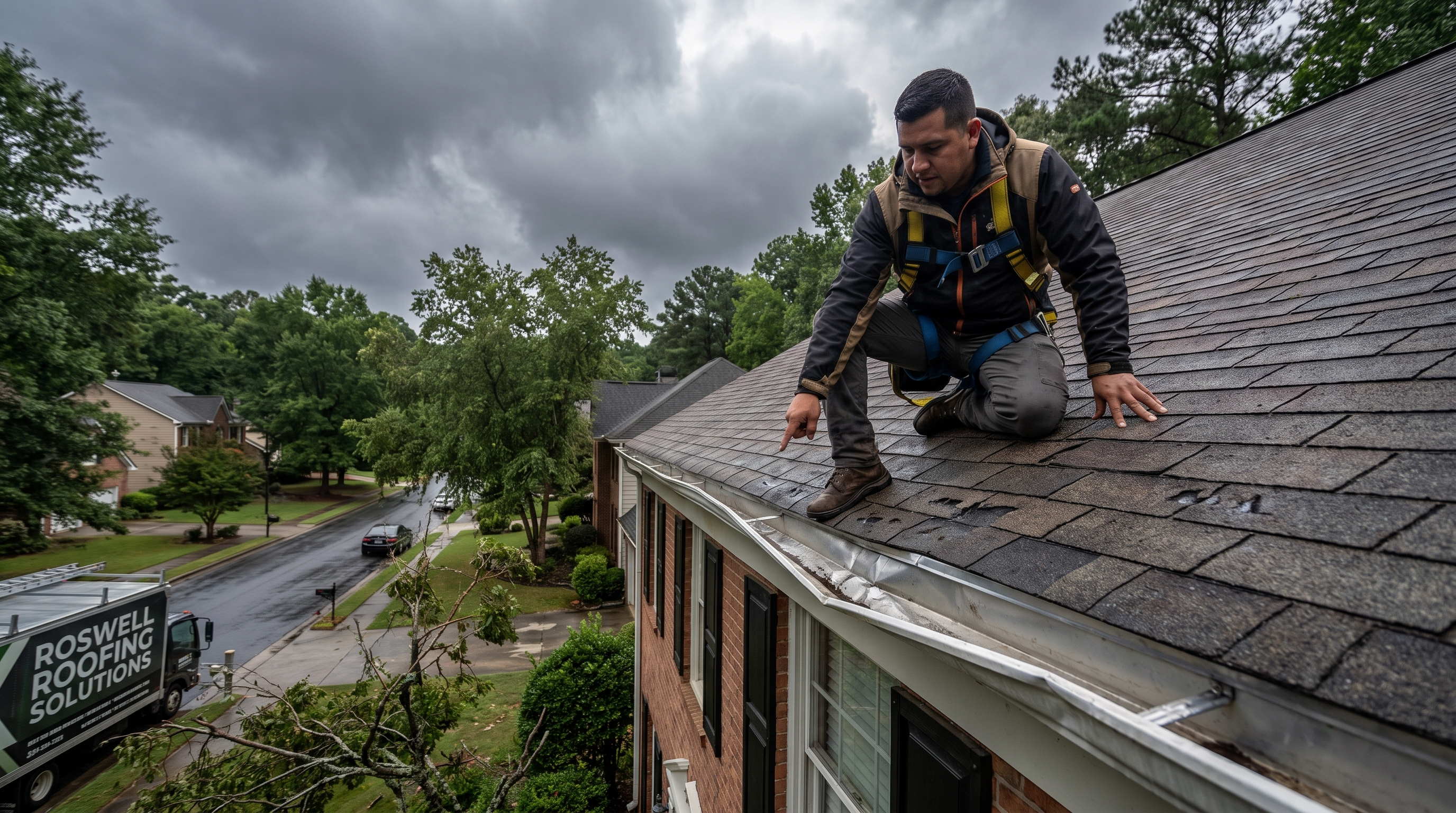
Emergency tarping protects the home while the roof repair or claim process catches up. It is common after hail and wind damage when shingles are missing, a branch opened a roof section, or water is already reaching the attic.
A tarp should shed water, cover the damaged area with room to spare, and be secured without creating new leak paths where possible. Poor tarp work can flap loose, trap water, or damage shingles that could have been saved.
In Roswell, the next storm cell can arrive before a full repair slot opens. Temporary dry-in helps reduce damage to drywall, insulation, flooring, and belongings.
Tarping also creates documentation. Photos of the opening, water path, and temporary protection can support the claim file.
Dunwoody has many established neighborhoods with mature trees, older decking, and roofs that may already show heat wear. Hail damage on those homes can be valid, but the file must separate fresh impact from age.
Inspectors look for impact patterns on exposed slopes, dents on metals, missing granules, cracked sealant, lifted shingles, and leak clues around penetrations. The tree canopy can change where hail hits and where debris damages the roof.
For Dunwoody homeowners, a repair may make sense on an isolated leak, while widespread functional hail damage may support replacement. The inspection should explain that choice in plain terms.
After major hail, repair schedules fill fast across north Fulton. A tarp can protect the home while the claim and permanent scope move forward.
Tarping should not sit apart from the roof plan. The contractor uses the same visit to identify the repair or replacement path.
Use tarping for active water entry, open roof sections, or damage that cannot wait.
Free — no obligations